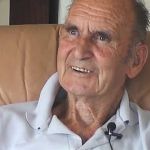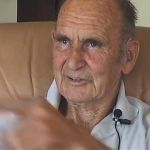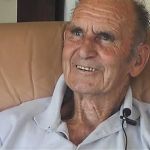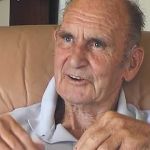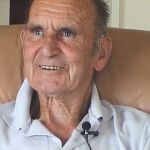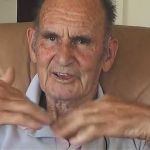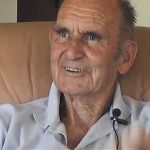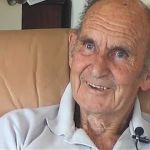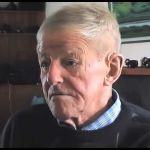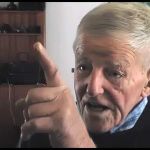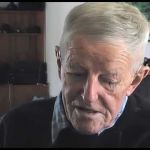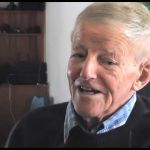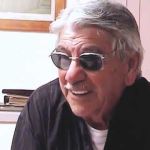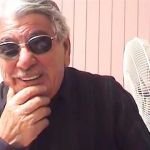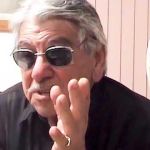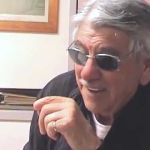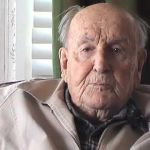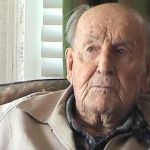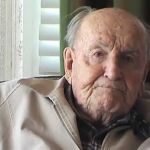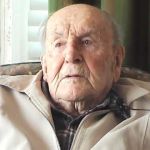
Frank May

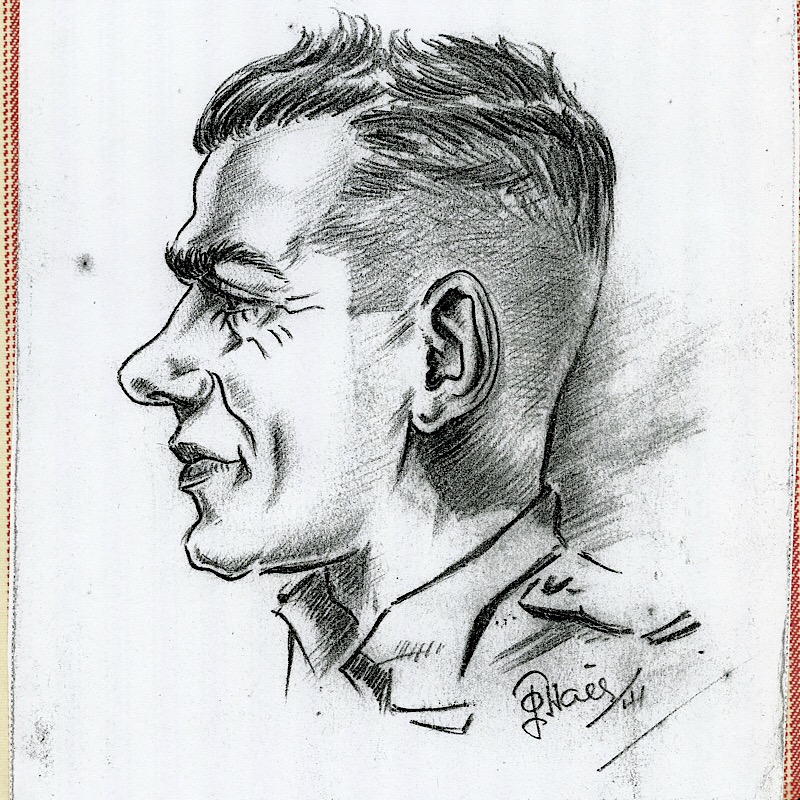
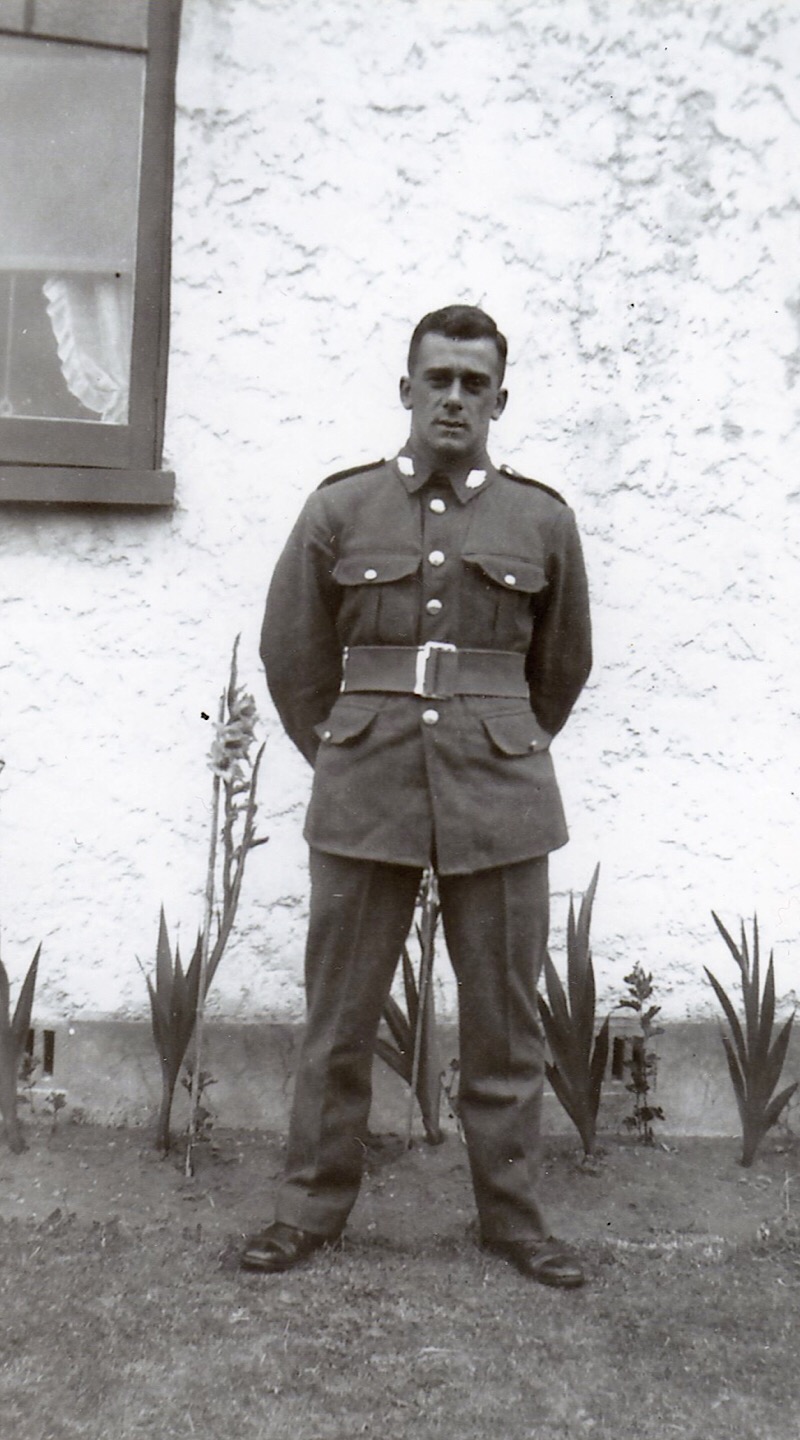
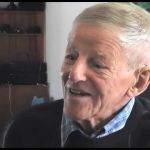
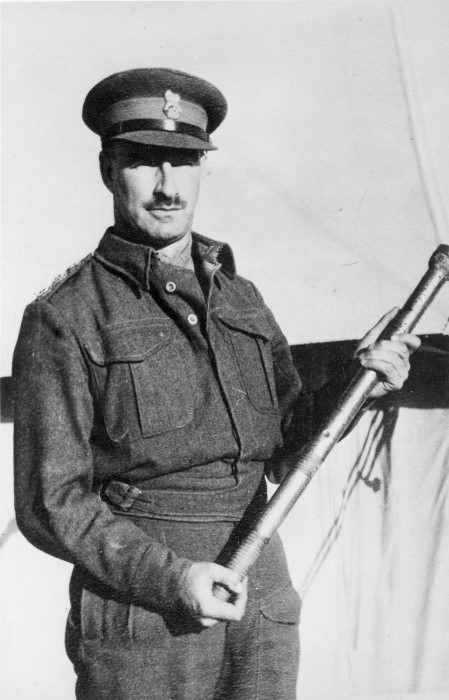
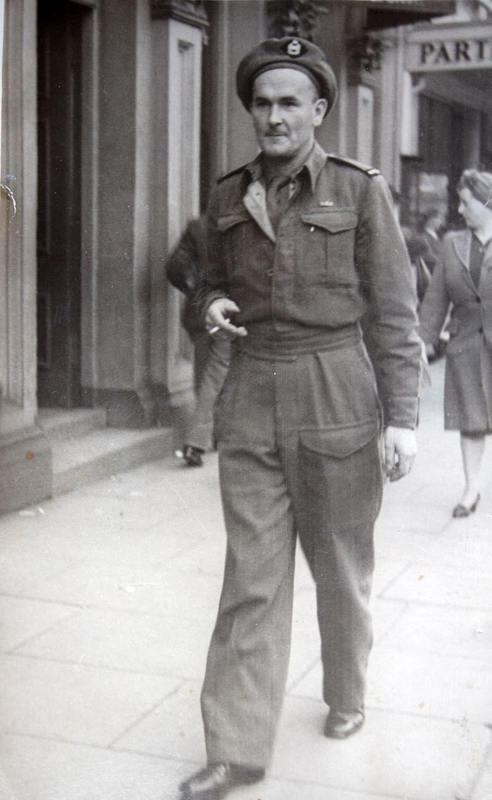
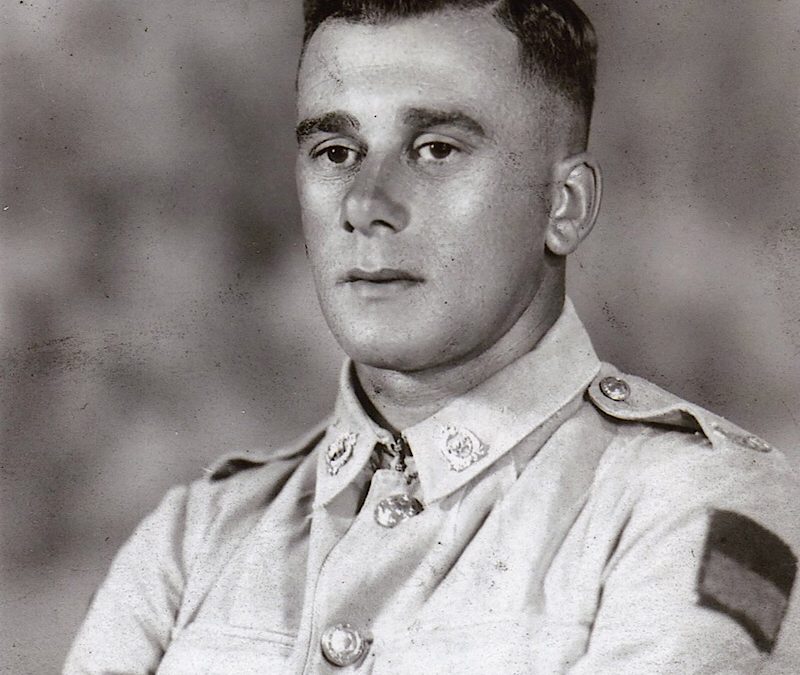
Frank May, 19th Battalion (1st Echelon) | 2NZEF | (WW2)
#5625 (New Plymouth) - Greece - Crete - North Africa - P.O.W
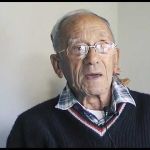
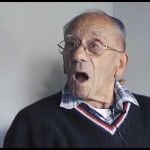
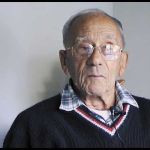
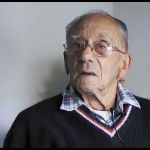
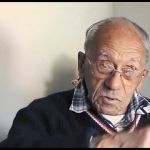
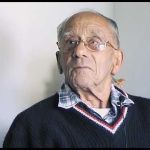
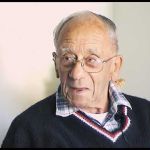
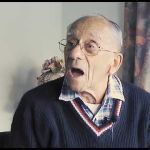
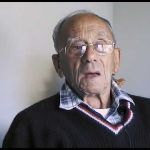
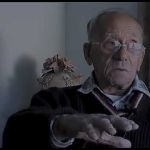
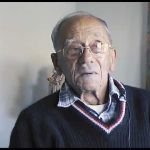
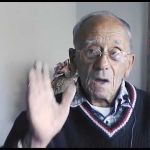
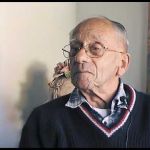
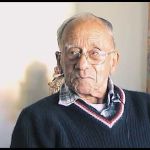
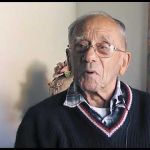
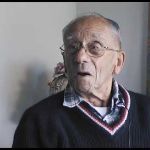
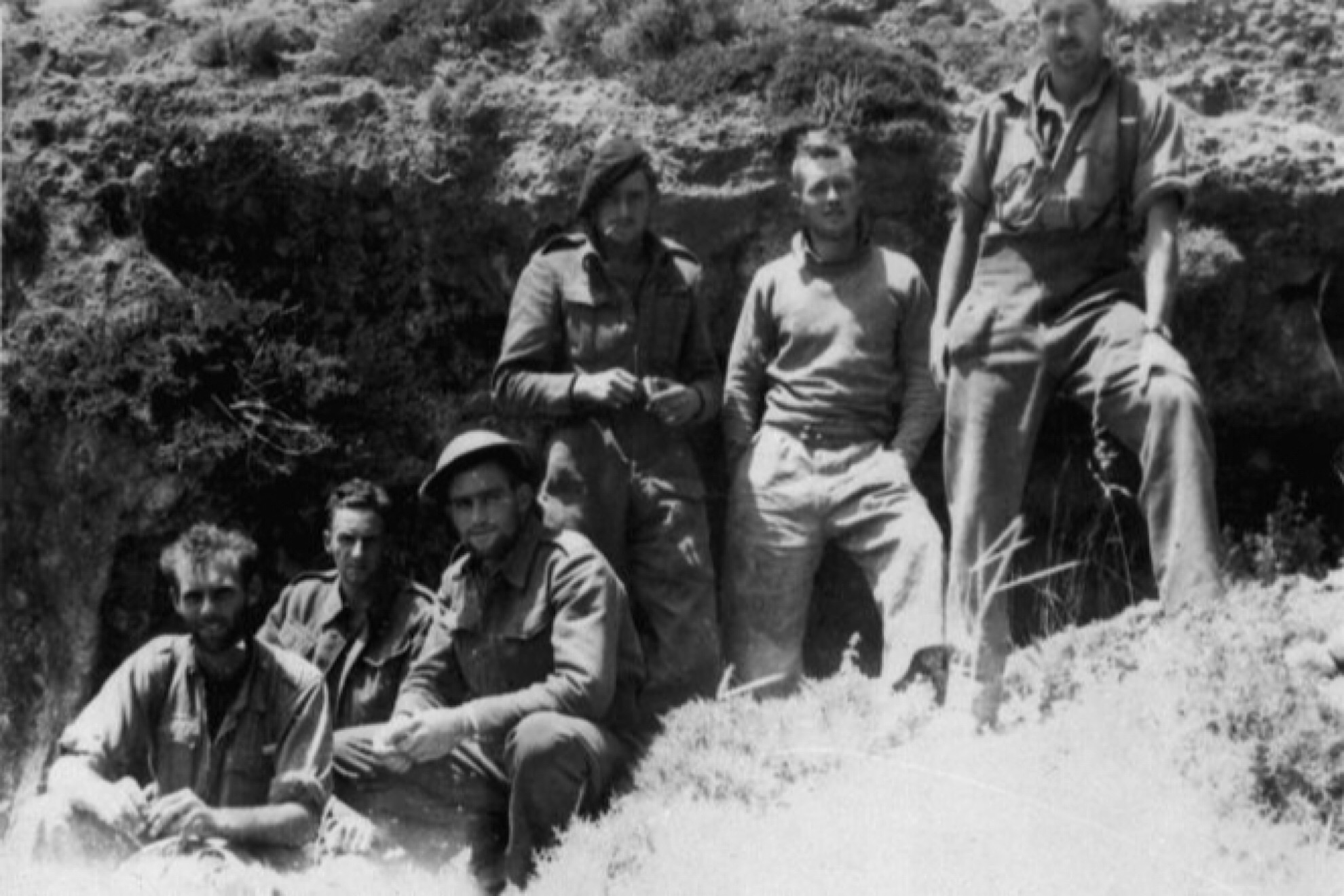
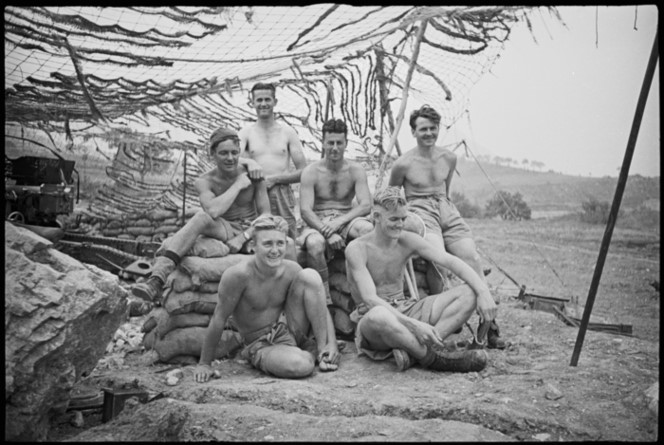
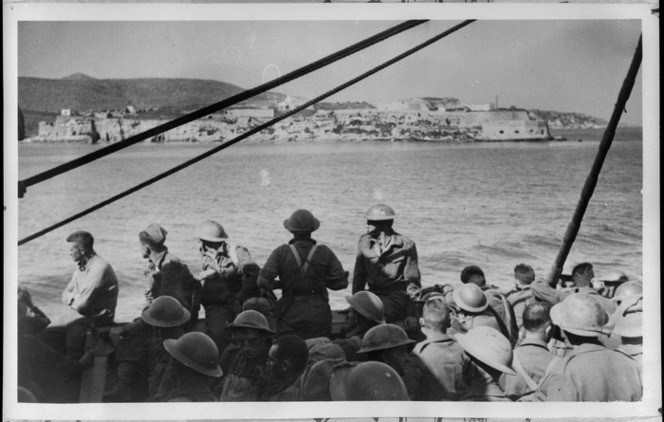
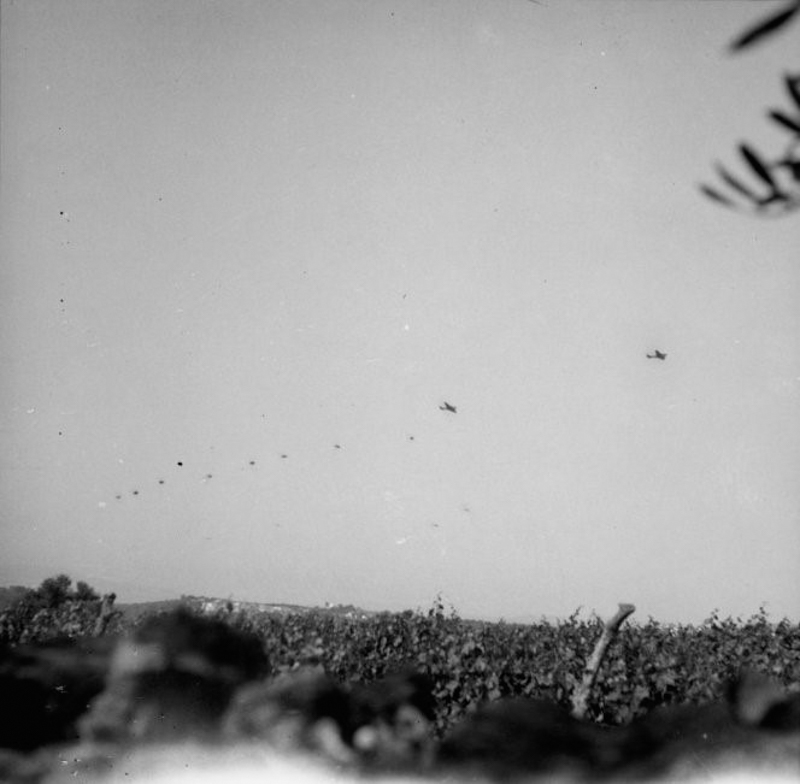
Date: 31 May 1941 Ref: DA-10636-F
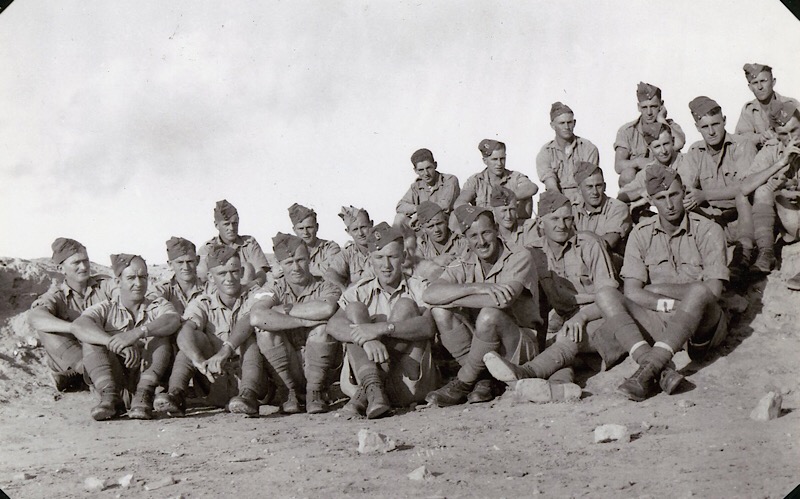
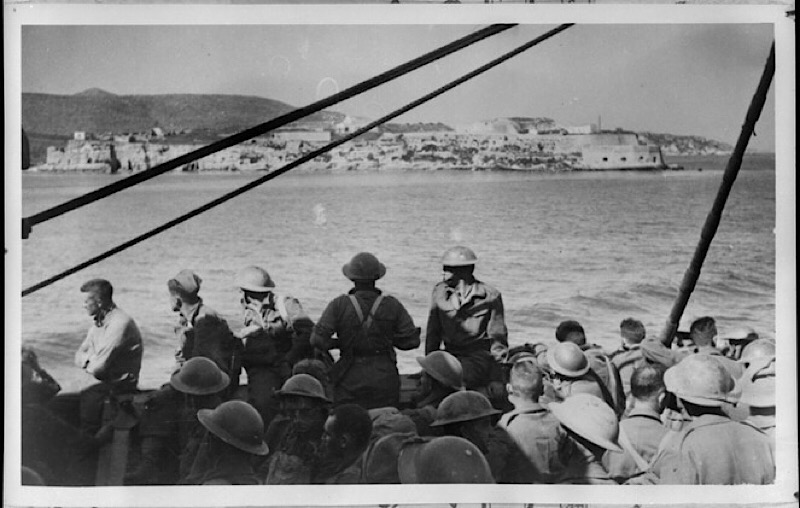
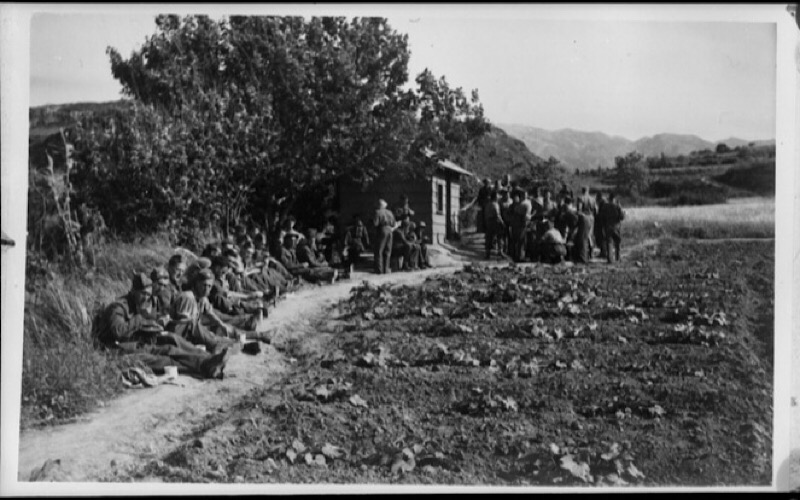
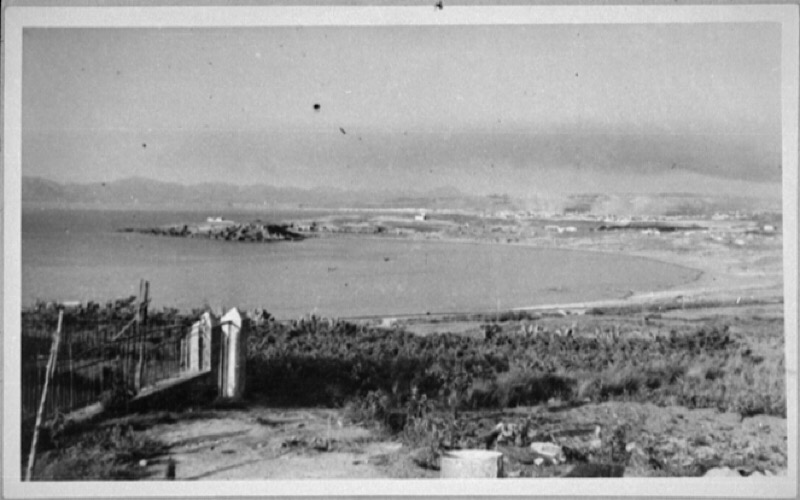
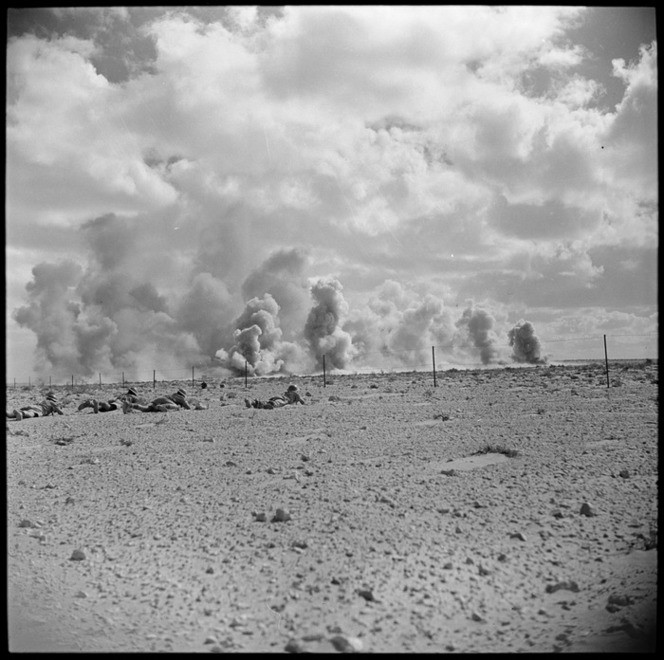
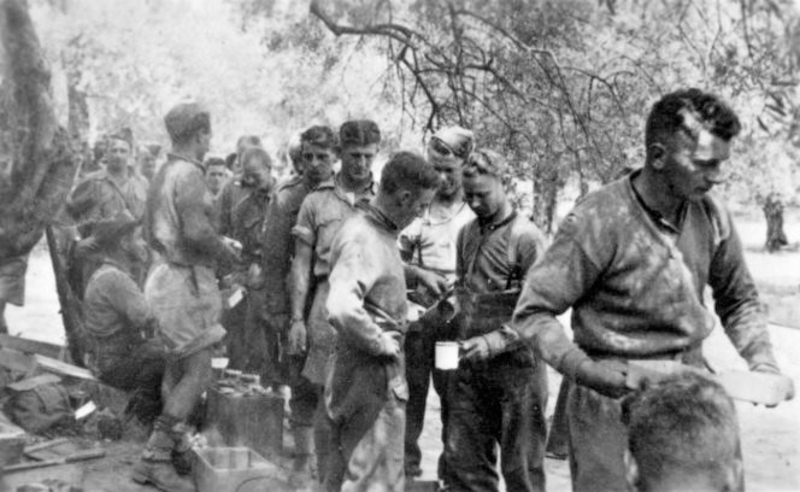
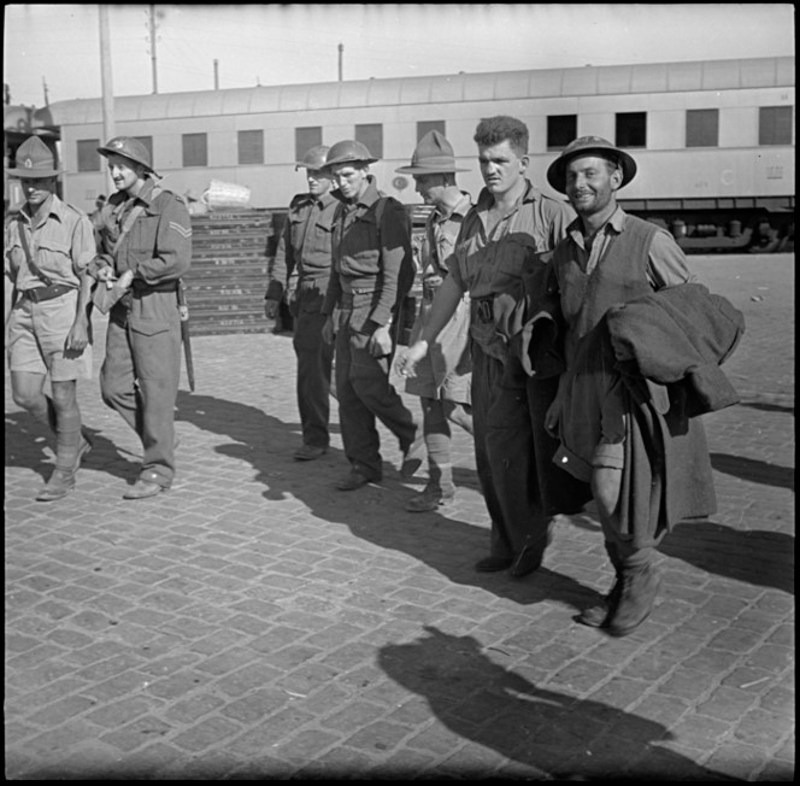
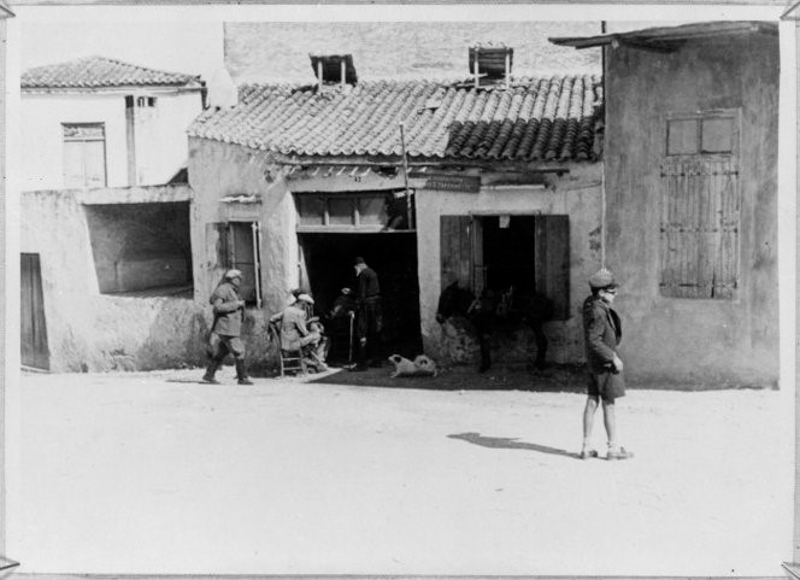
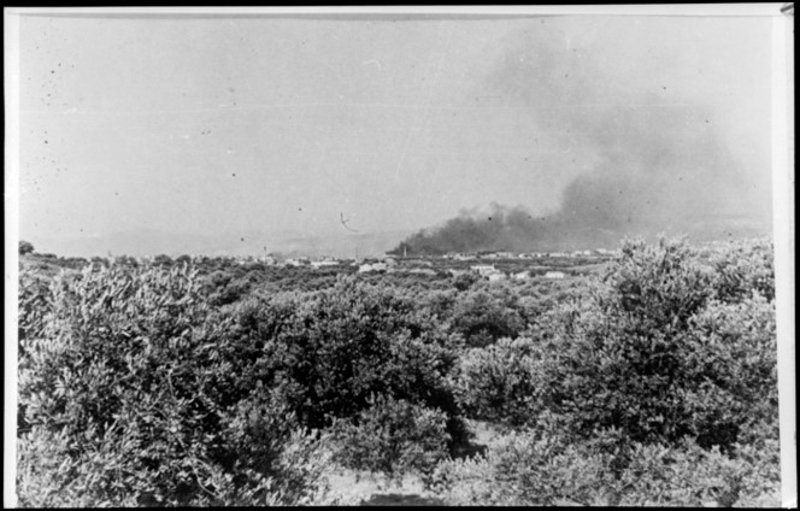
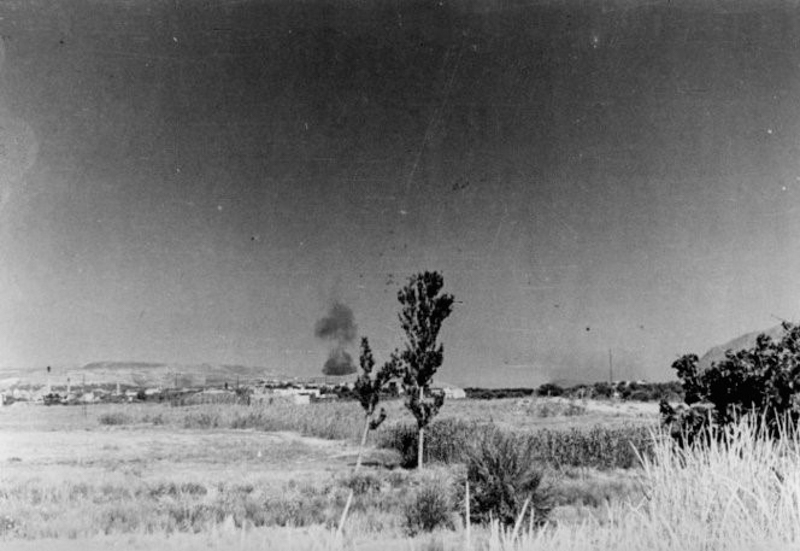
New Zealand soldiers awaiting evacuation from Crete, 31 May, 1941. Photographer unidentified.
Frank was born on the 6th of December 1916 in New Plymouth, living there until he transferred to Hawera, Taranaki in 1937, to work with Hannahs Shoe Company. He attended Central Primary School then New Plymouth Boys High School. Like many of Frank’s generation, he remembers the struggles for families growing-up in Depression years, and how many missed-out on high schooling because their parents couldn’t afford to send them.
“It was quite a pricey-effort for our parents to send us to High School in those days cause it the Depression days. Unemployment. My father was employed all the time, so I was lucky.”
Frank grew-up at a very different time; when patriotism, discipline and military-ethos were far more at the forefront of everyday life in New Zealand than they are today:
“In New Plymouth Boys High School, that’s where we first learnt our military training because they had military training at school… They were allowed to hit you if you didn’t do what you were told… ‘bring your tennis shoe over here, bend over, bang’! “
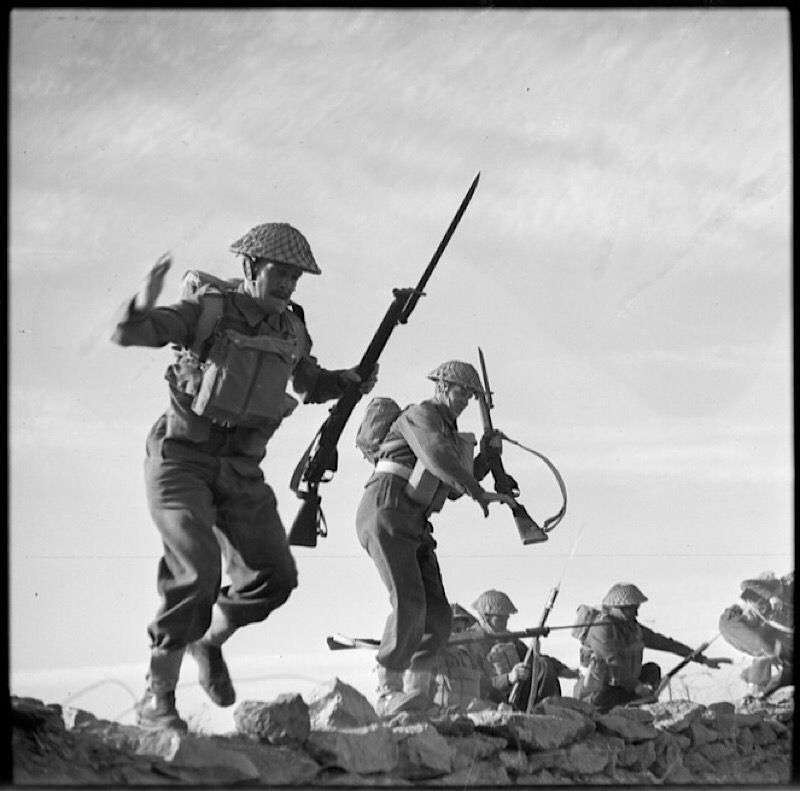
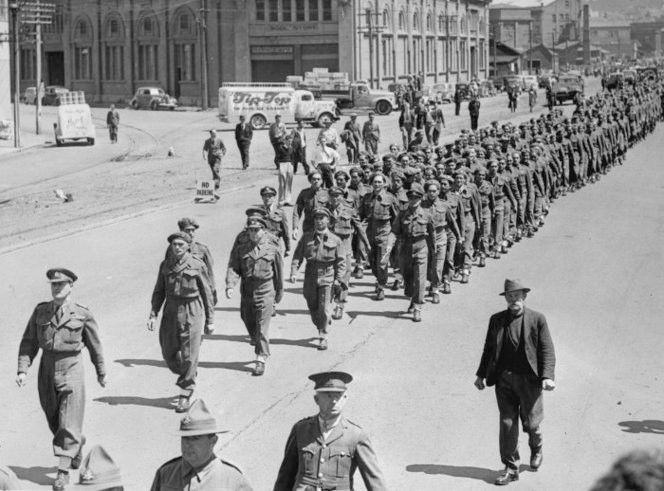
“We learnt to shoot – we used to go out on the rifle range here in New Plymouth. We learnt the military drill. It was good. And we learnt military discipline. We used to march on ANZAC Day in the parades. You used to have to have a doctor’s certificate to say you couldn’t do it (if you wanted to be excused) We’d go down to the drill hall in New Plymouth. They had a rifle range inside the building with big wooden blocks behind the target so the bullets couldn’t go through. They used to give us .22 (calibre) bullets, and we used to practice.”
“It stood us in good stead (later during the war) when we did go into the Army. I won the under-15 shooting championship… I wasn’t a bad sort of a shot in those days. When I got to Egypt (during the war), they had a competition – the whole Brigade – several thousand men, and I got fourth equal in that – in the ‘double-snap’ (event). You had to get two shots off in ten seconds at 200 yards.”
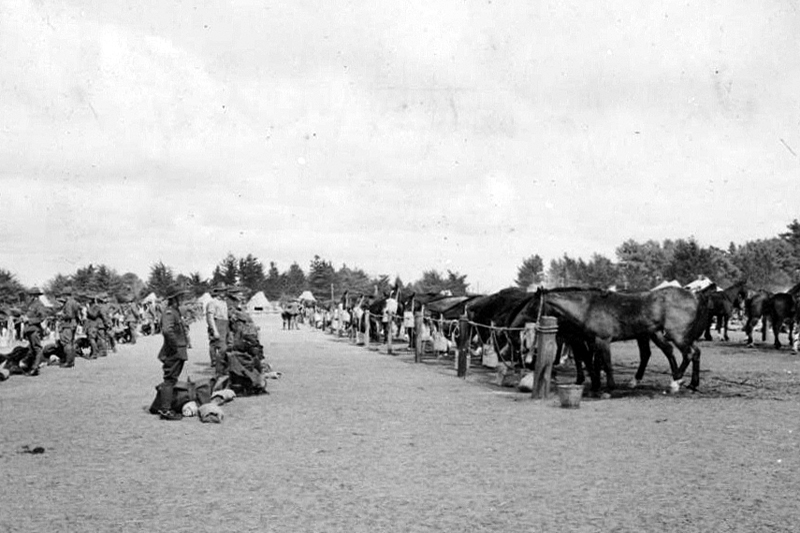
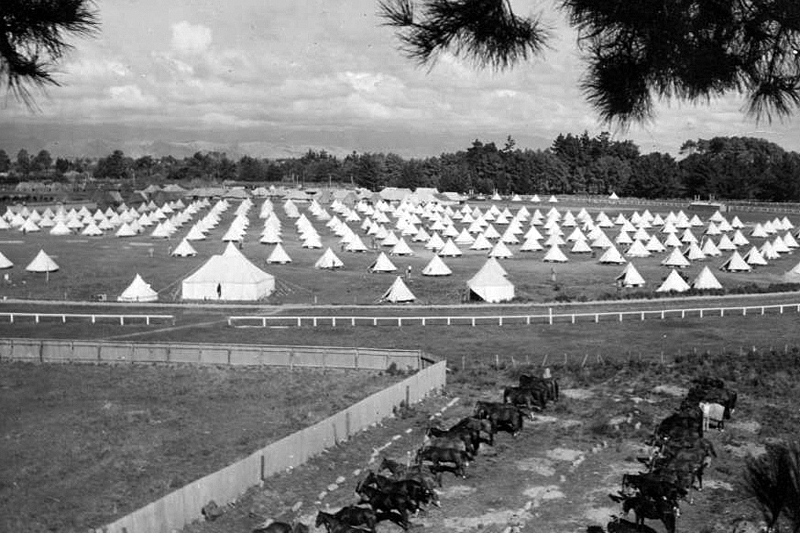
After leaving school, Frank worked in the grocer’s/fruit shop before taking a job at Hannahs. He volunteered soon after war broke out, and went into camp initially at Trentham camp near Wellington. After 7-8 weeks there Frank and the men were taken up to Waiouru camp for exercises. It was the early days of Waiouru camp, with very few amenities built.
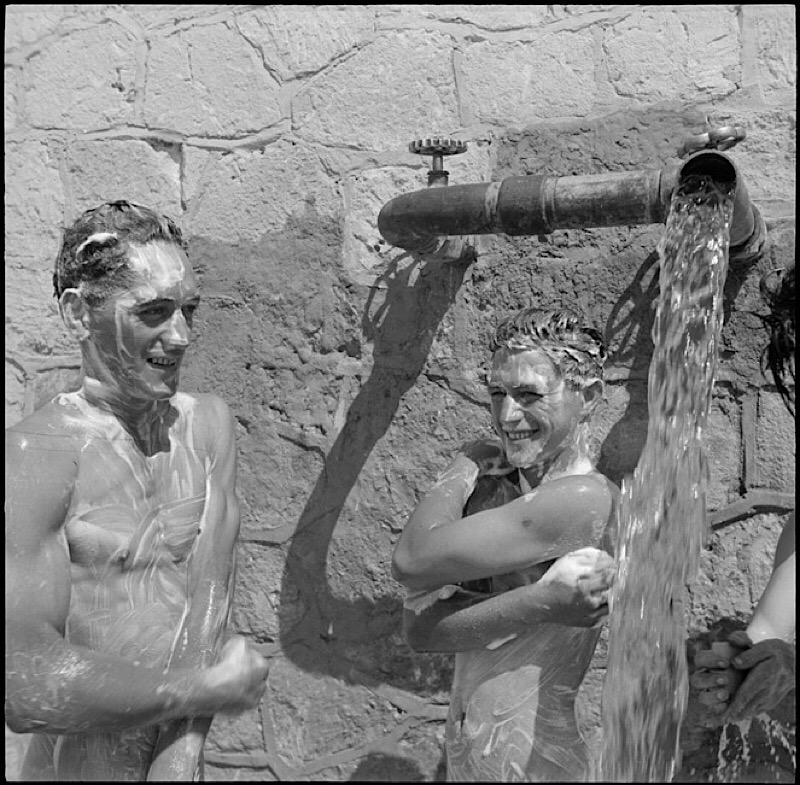
“There was nothing – just a few shower boxes, and that’s all. We were all in tents. Also, we were only there about a week, then they took us back to Trentham, and we went on final leave. A lot of the instructors were Regular Army blokes, and all their theory was based on First World War methods – which were totally inadequate really for the Second World War, but they didn’t know how the Second World War was going to evolve – the tactics etc. Because it (WWII) was far more mobile than the First World War, stuck in trenches. That had gone. The Second World War was one of movement. It was discipline and field craft (we learnt).”
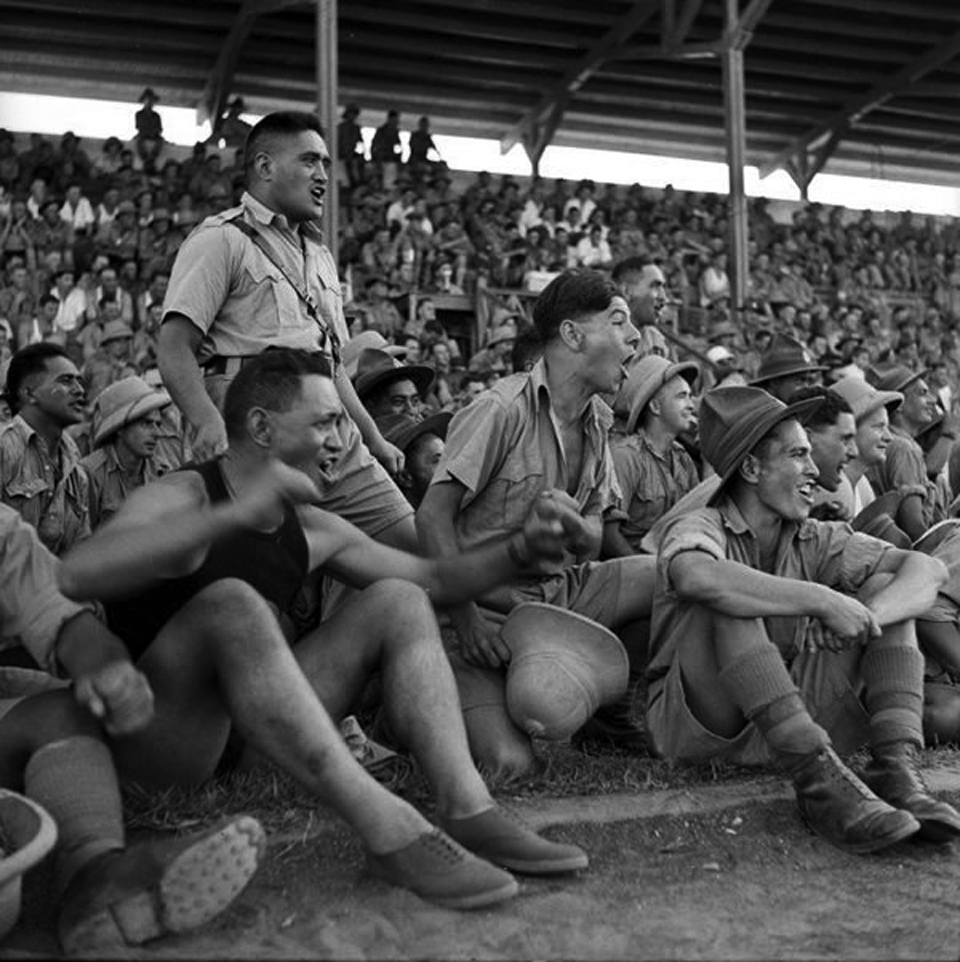
“A lot of blokes, I wouldn’t say everyone, but the majority had gone to high school and had done a bit of military discipline. They could march, and they could shoot. It made a big difference. You knew jolly-well you had to learn whatever they could teach you – to use machine-guns, to use a rifle – most could use a rifle because we’d been to high school or Territorials, and could shoot. But none of us had fired machine guns before. We had to learn those.”
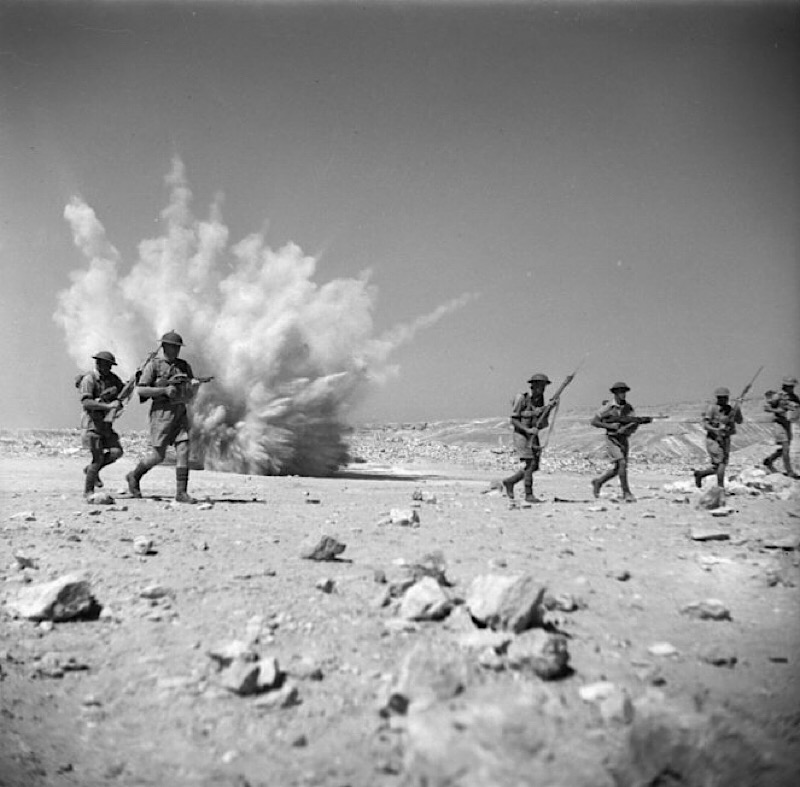
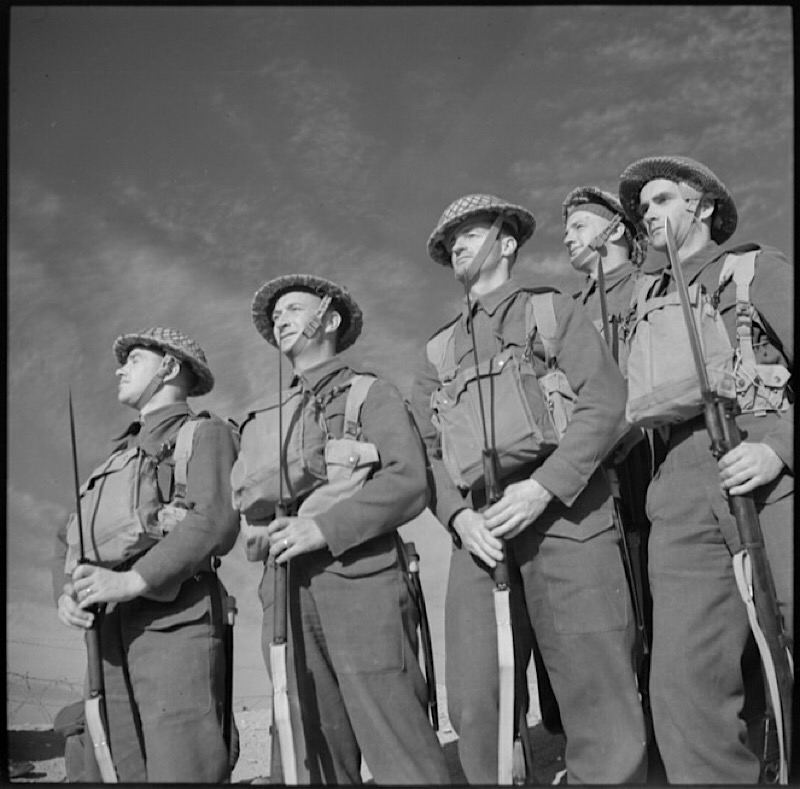
“And then we got the Tommy guns before we went to Greece. They were alright if you were in close-quarters, but they were no good for long distance shooting. You soon mastered everything. You had a go at everything. They had different sections. In each (infantry) battalion, you had the ordinary infantry, but then you had a mortar platoon – 3-inch mortars. They’d support you (infantry). The ordinary infantry (role) wasn’t hard to learn.”
“All our equipment was antiquated compared to what the Germans had. When we first went away, we still had First World War uniforms. One or two (men) packed-up physically. They couldn’t stand the pace. When we got to Egypt, some were sent back home. Not many, because the average bloke was pretty fit. When we got our inoculations, before went overseas, my arm was that sore that I went to bed that night, and on the floor next to me – we slept feet towards the centre-pole of the tent – big Jim Coole. He’s just come from the All Black training squad, straight into camp. Big 16-stone lock (forward) – he was next to me – he went to the canteen and got a skin-full of beer. We had six blankets each, and he came back and picked up his 6 to make the bed up, and he dumps them right on top of me where I’d had the injections. Little things like that happened. Jim. He was that strong, in Greece, he carried a 1,000-round box of ammunition on his shoulder up the side of the mountain.. he said, ‘I thought you jokers might be a bit short of ammo’.”
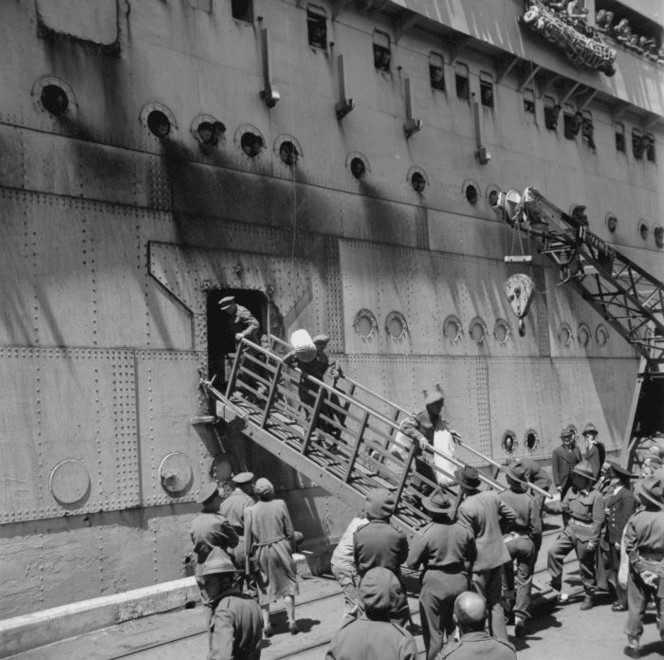
After further training at Trentham, then a week’s final leave, Frank sailed aboard the Strathaird ship from Wellington.
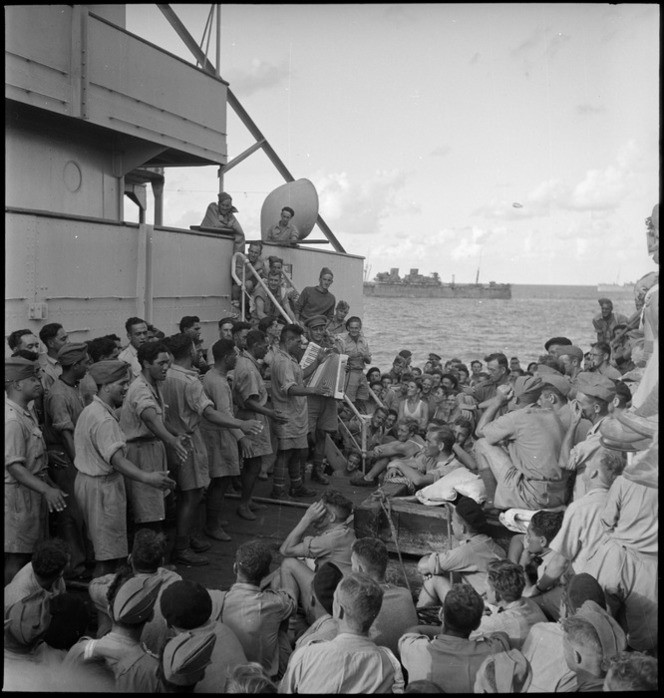
“I was lucky. Some of the chaps were in hammocks below in the hold. I was in a two-berth cabin. I was only a private! The officers and nurses were all up on the top decks. You had physical training, exercises etc. You might have to march around the deck 30 or 40 times, and all that sort of stuff, to try and keep fit. You couldn’t wear your Army (hobnail) boots; you had to have your tennis (gym) shoes on. We got ashore in Perth, Western Australia for one or two night. They paid us all in Australian pounds. Of course, as soon as you all hit the first pub, they skimmed all the change out – the banks were all closed because it was early evening. So they couldn’t give you any change, and so they closed the bar in the finish. They wouldn’t sell you any beer. That was in Fremantle, so we went up to Perth, and there was a bit more change around up there.”
After stopovers in Ceylon and Aden, the men reached Tufik and encamped at Maadi near Cairo, Egypt. After a period of training and acclimatising, as well as waiting for the 2nd Echelon who had been diverted to the UK, to arrive, Frank and the men sailed for Greece.
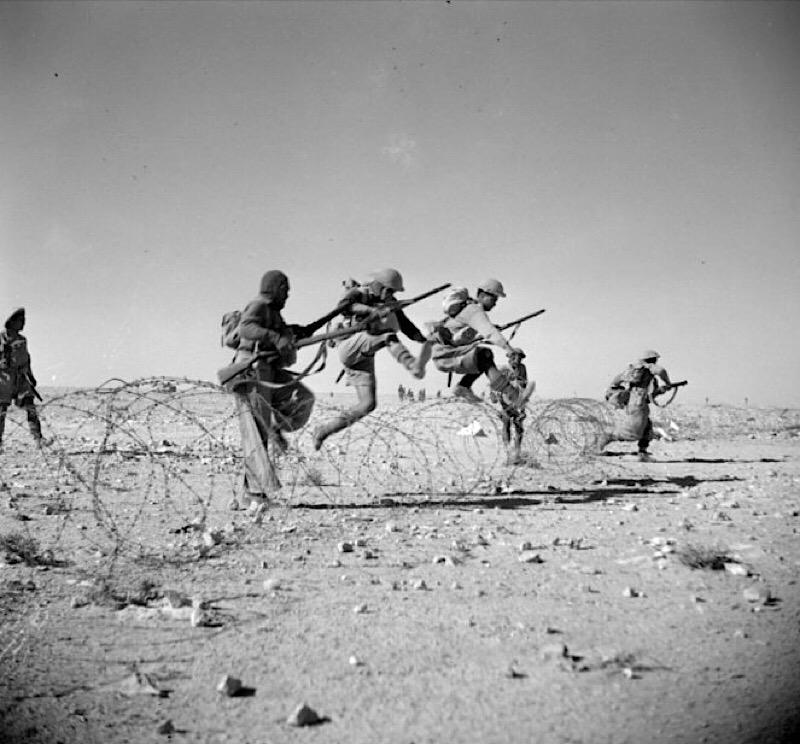
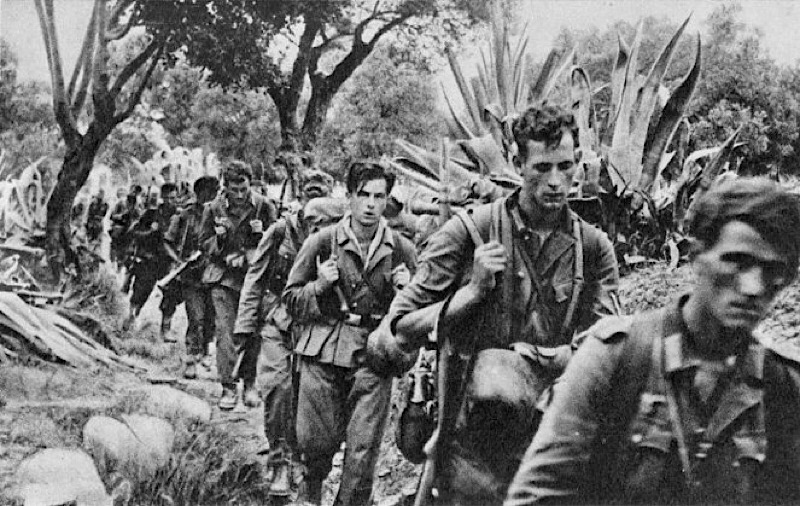
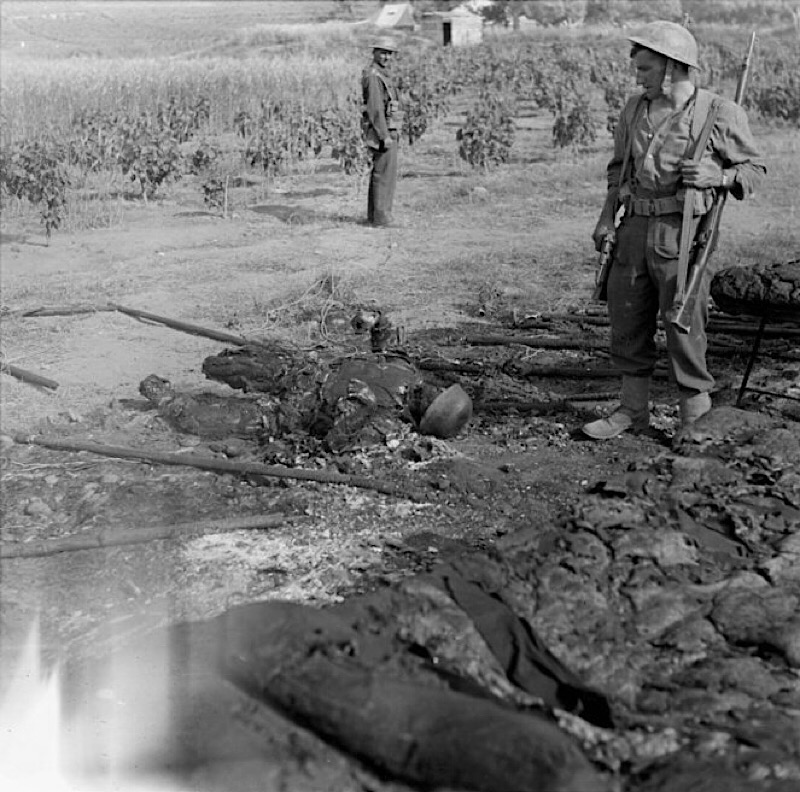
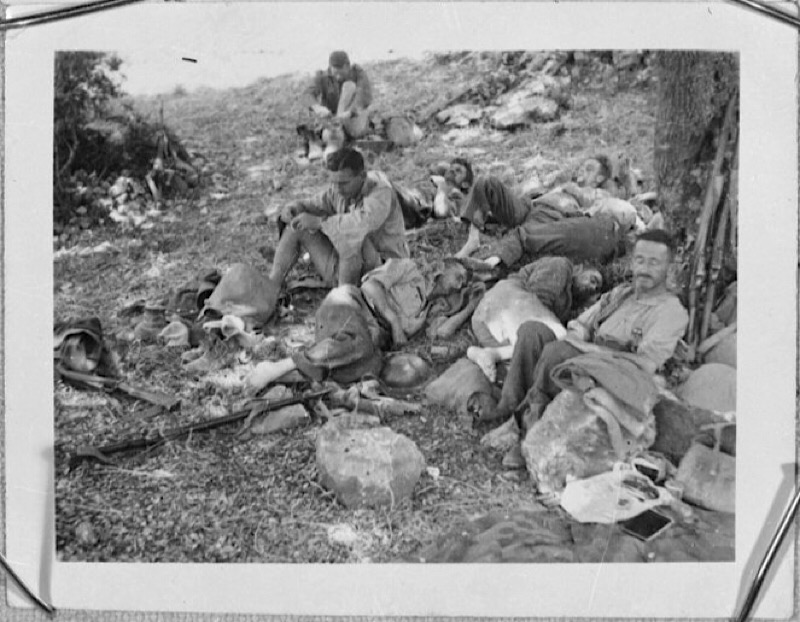
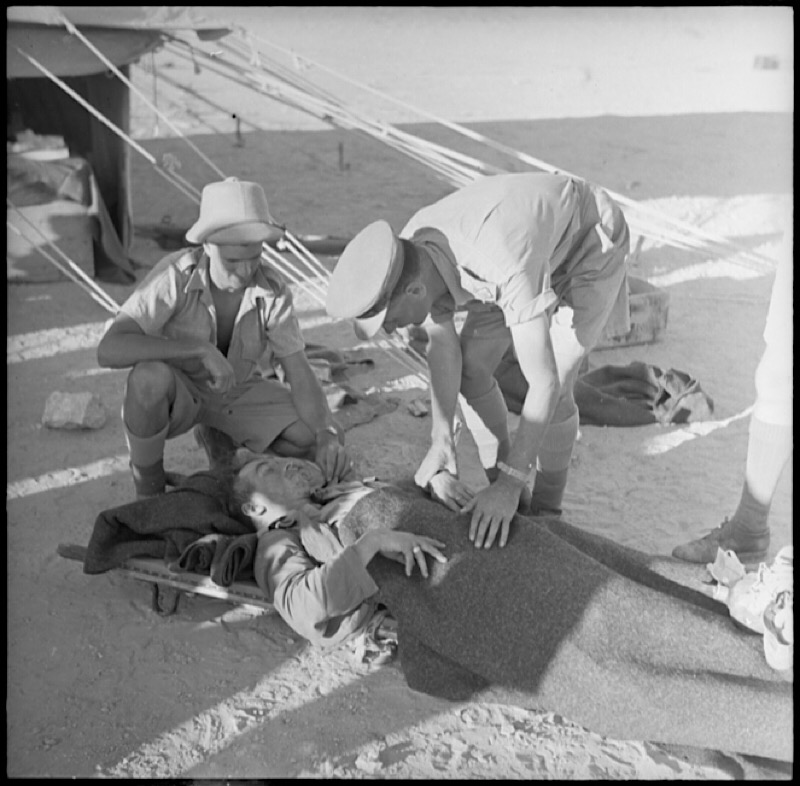
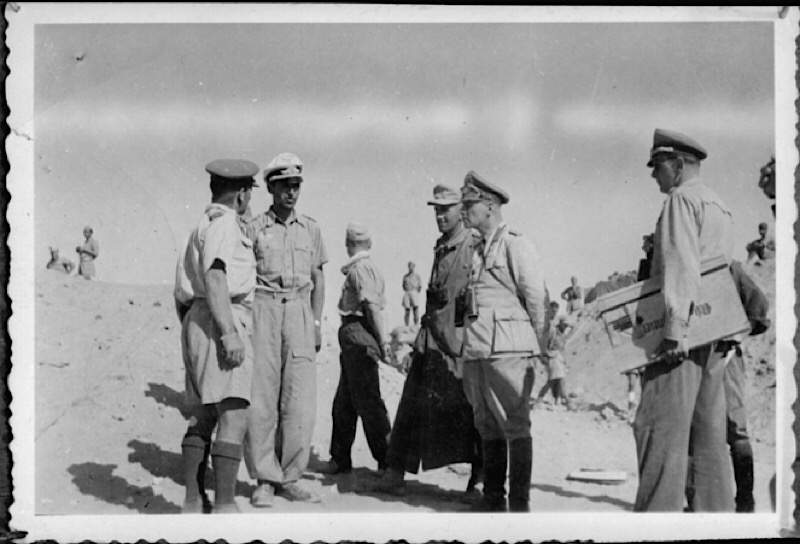
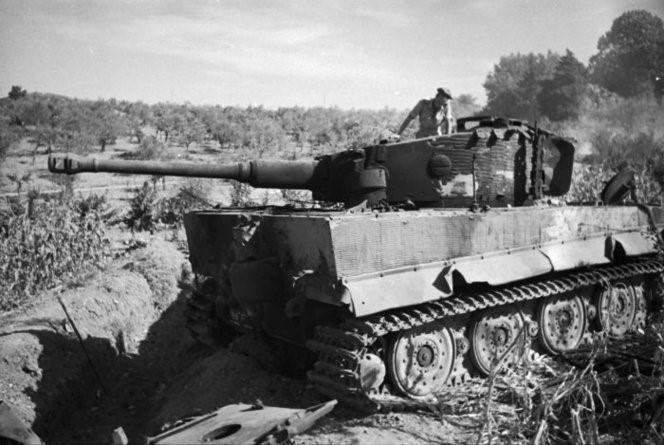
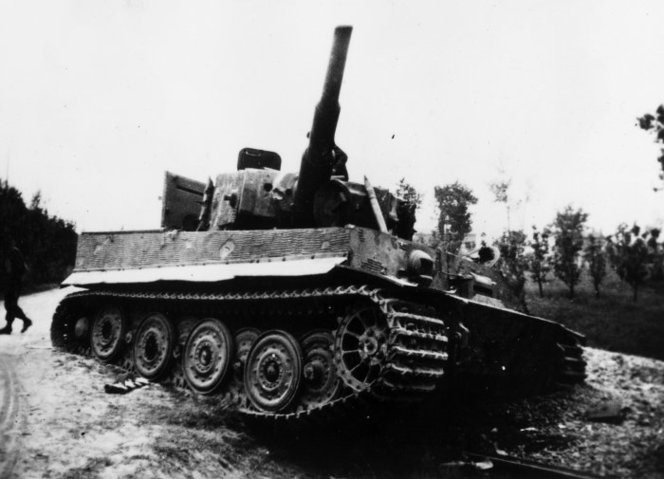
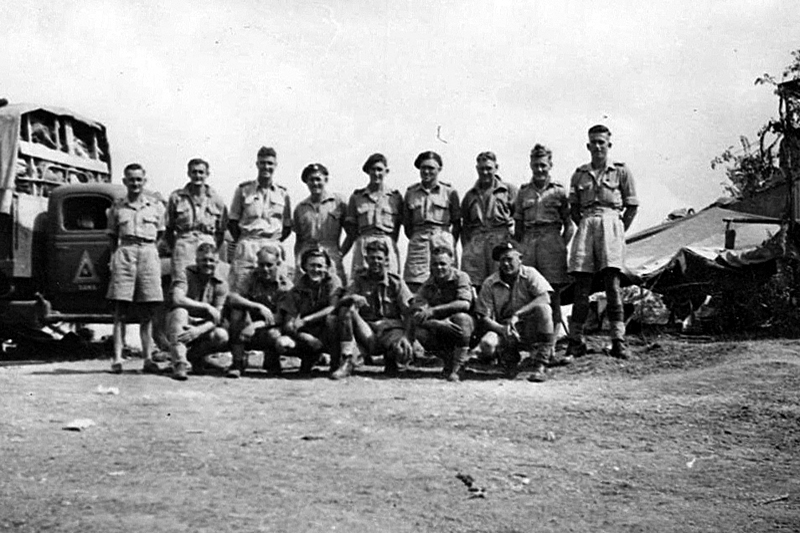
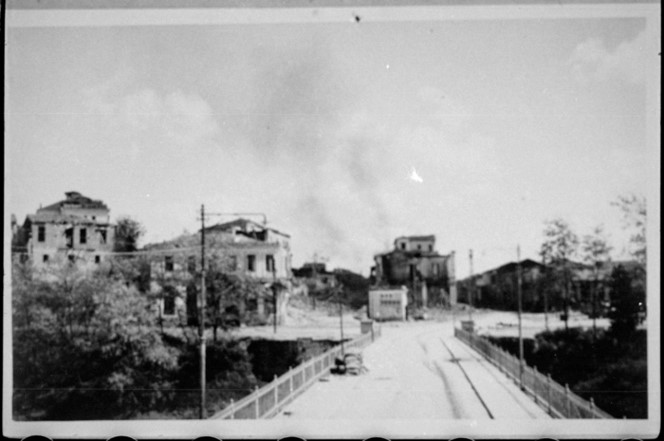
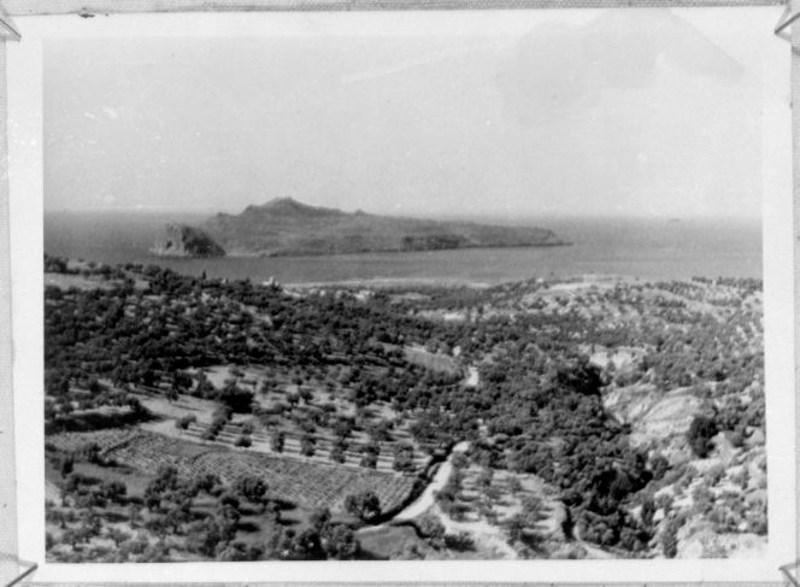
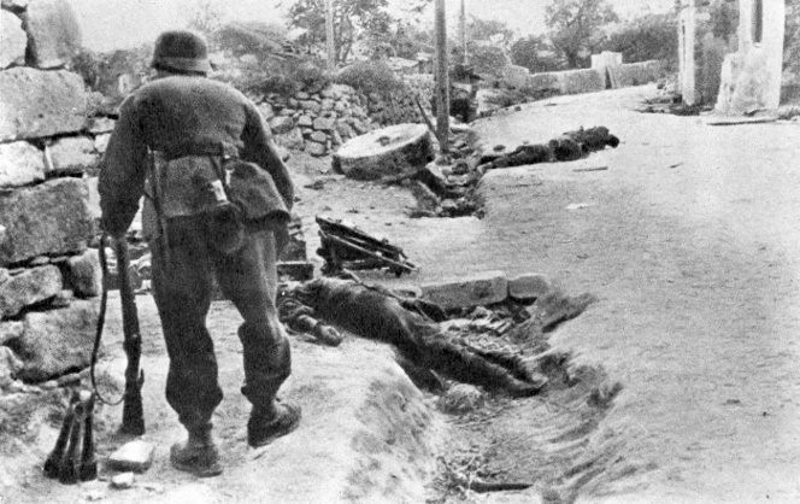
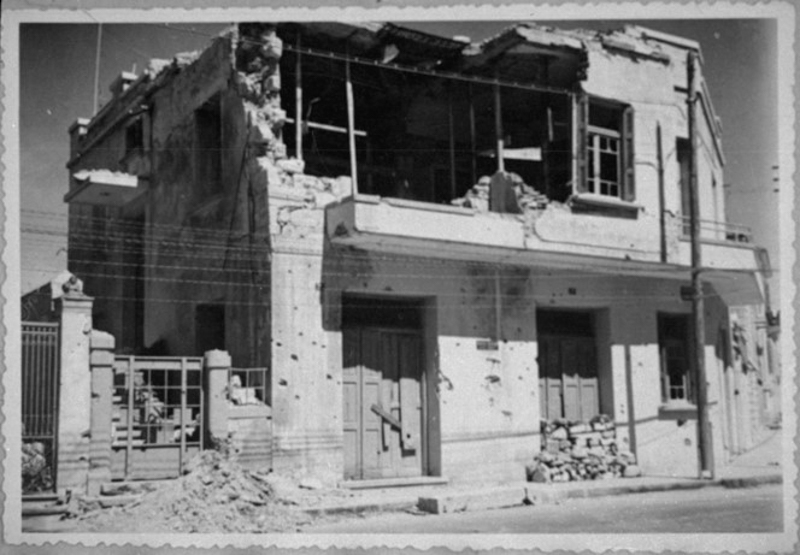
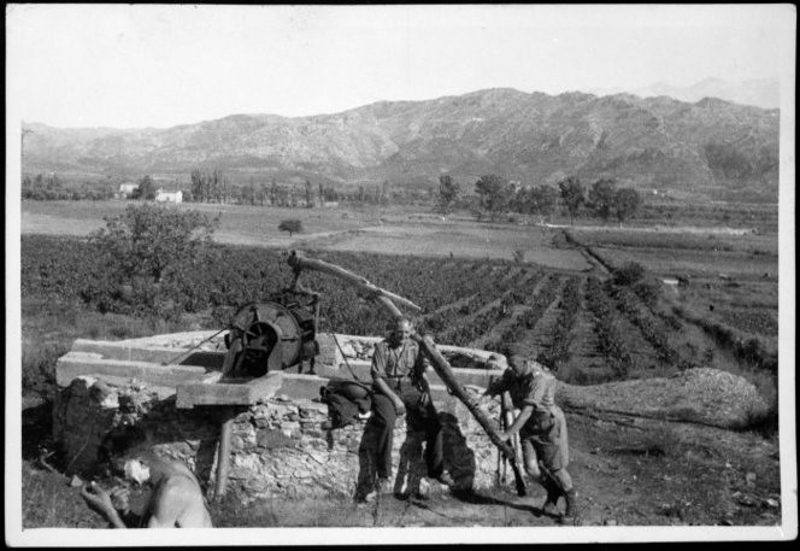
After the Division’s retreat and evacuation from there, Frank found himself on the island of Crete – based around the Galatas sector. He was one of the lucky ones there too, being evacuated with some of his units to the Middle East. As it did for many Kiwis, Frank’s luck finally ran out during the early battles of the Crusader campaign. He was captured when the British armour failed to show up as scheduled, leaving the infantrymen hopelessly exposed to a powerful force of German tanks.
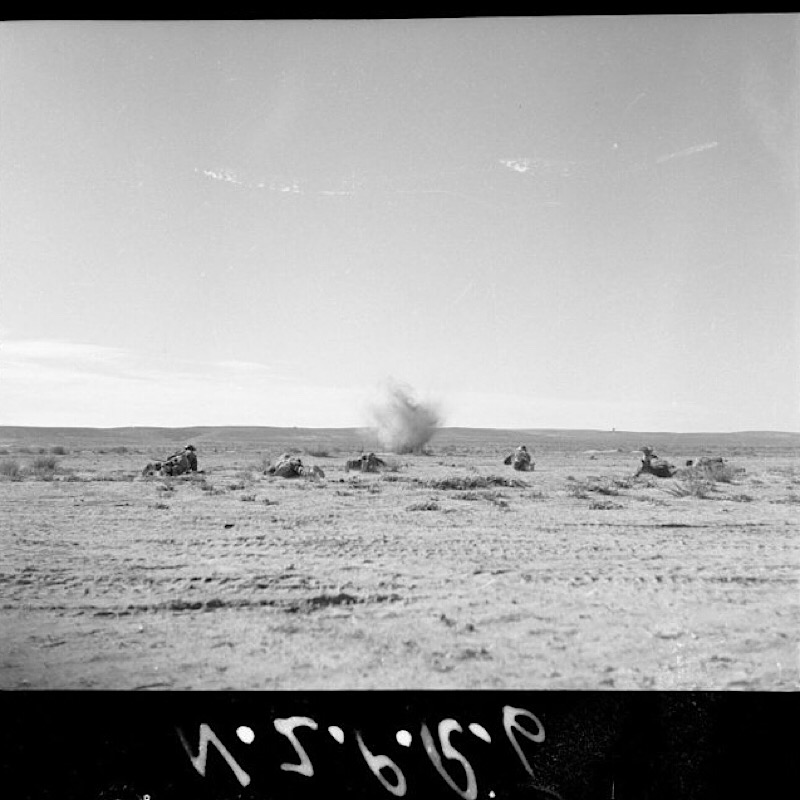
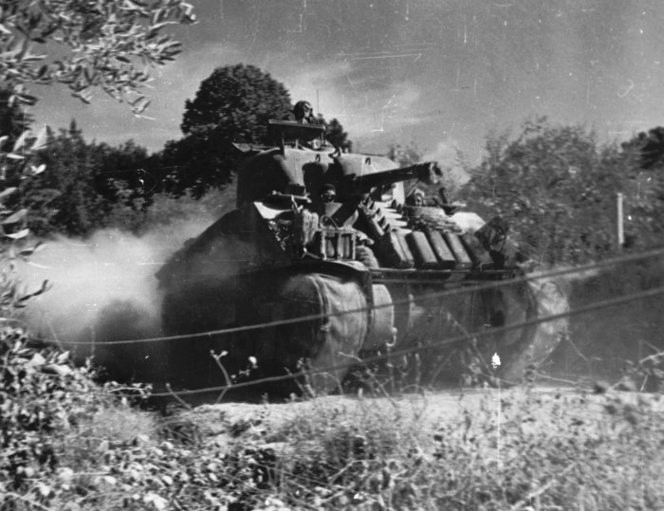
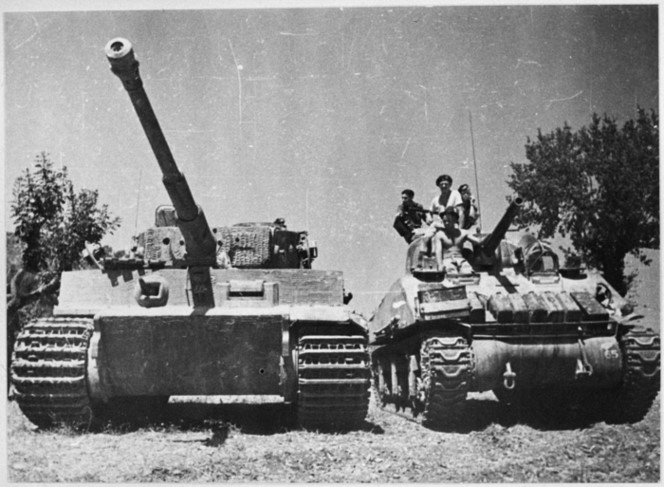
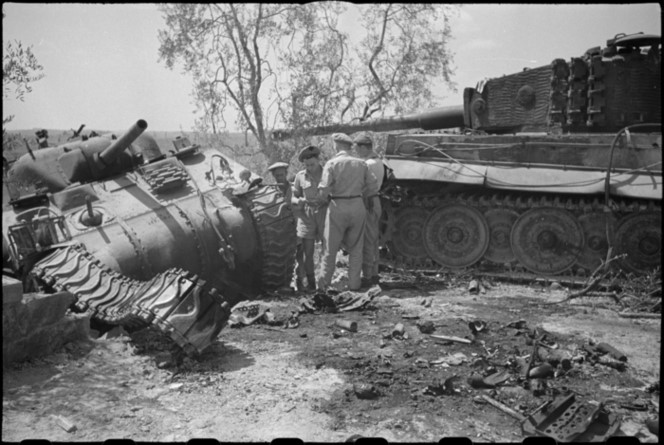
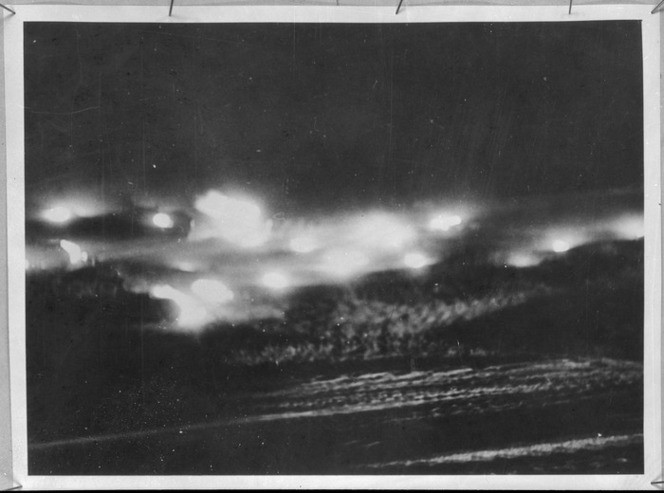
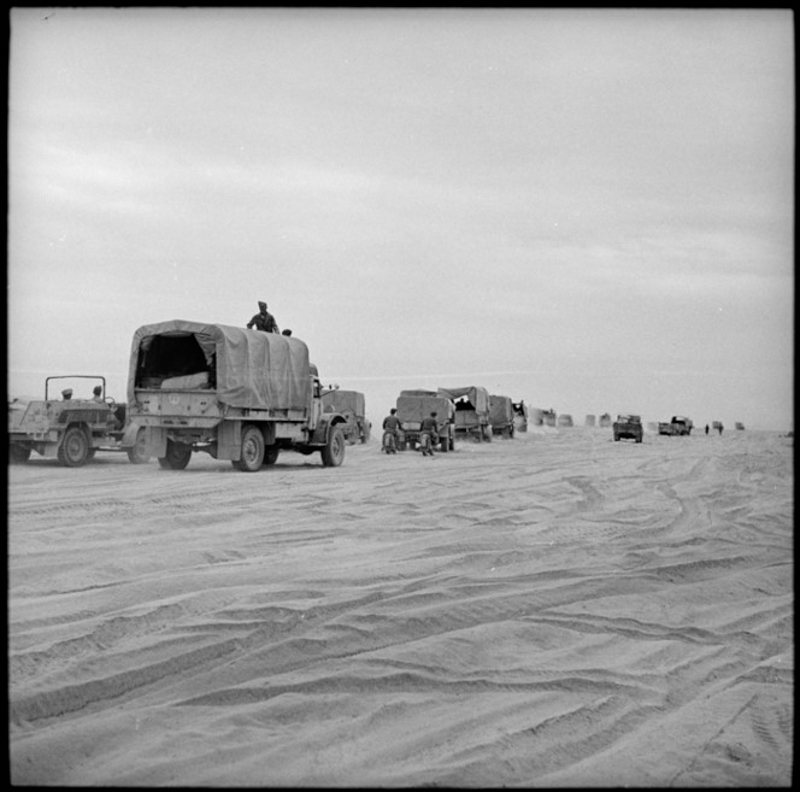
“We went in on a night attack. We went seven miles through the enemy lines. They said the tanks would be up and support you at daylight. Well, the tanks never came up, and Gerry (the Germans) waited to see if it was a trap. And when he could see it wasn’t a trap, he just brought his tanks in. Well, we had no show against the tanks just with rifles. Not a show! Rifles and machine guns are no good against tanks. So our officers surrendered us. One of them had a white towel in his bag, and he waved it and surrendered the whole lot.”
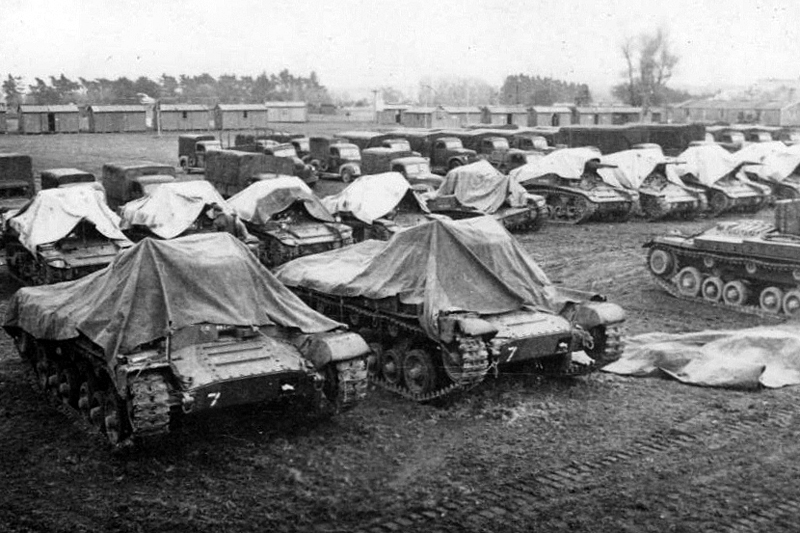
“It was awful. I was absolutely flabbergasted. We sort of did not realise what had happened until your brain started to function again – it was a total shock. Because you knew you’d been sold down the track by the (British) ‘tankies’ you see. You held a grudge against the tankies for a long time. Afterwards, though, you realised that is what ‘Gerry’ wanted – to suck in those tanks and destroy them, then he had us you see. But there was a fair bit of friction there between the New Zealanders and the British there for a while. However, it did not affect the whole (desert) war – they knew they dare not risk the jolly tanks. Because they (Allies) weren’t ready to fight the tanks. Not until Alamein. The Germans had better tanks; they had bigger tanks. And they had what they called the ‘half-tracks’ which were tracks on the back of the vehicle, and wheels on the front. And they could go a hell of a lot faster than the tanks. And they had better tanks guns than us – they had the .88 (mm gun). That was far better than anything we had.”
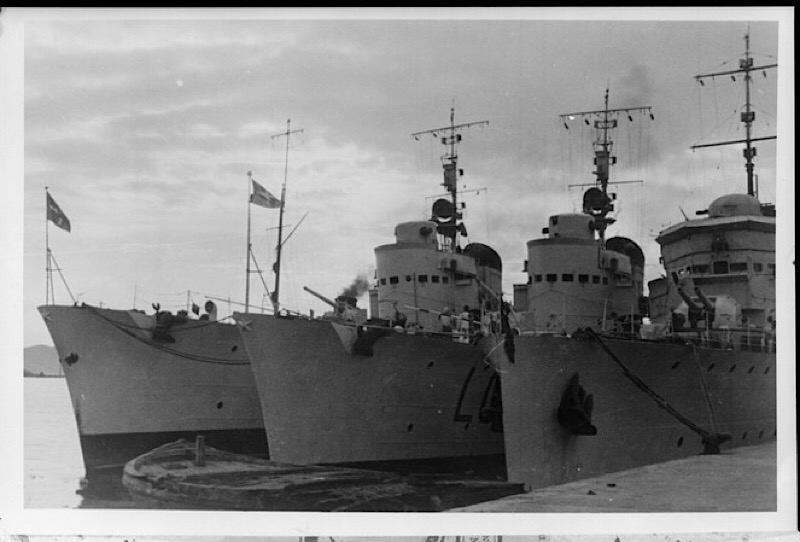
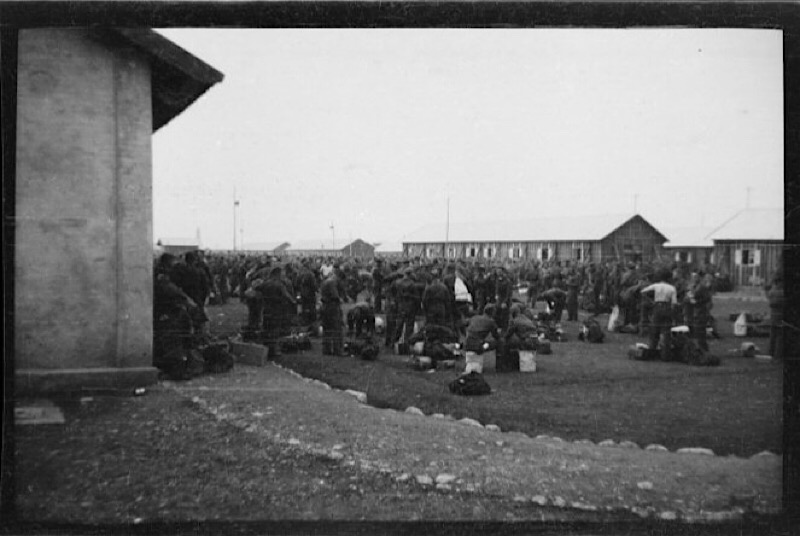
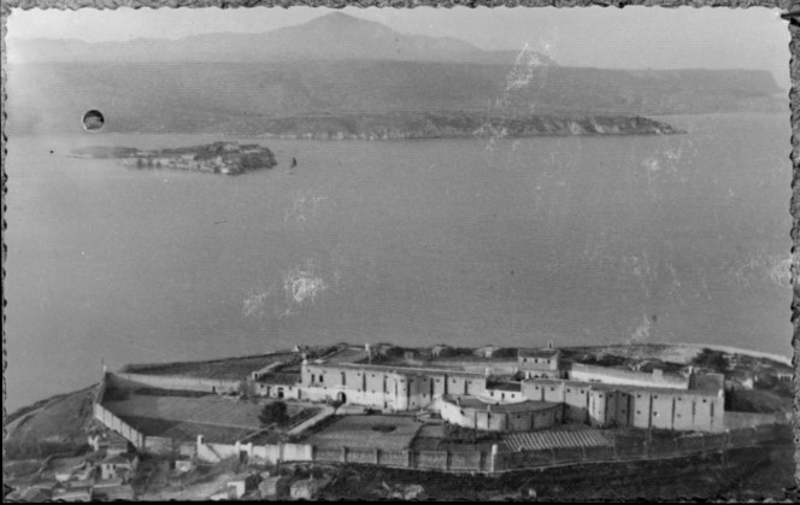
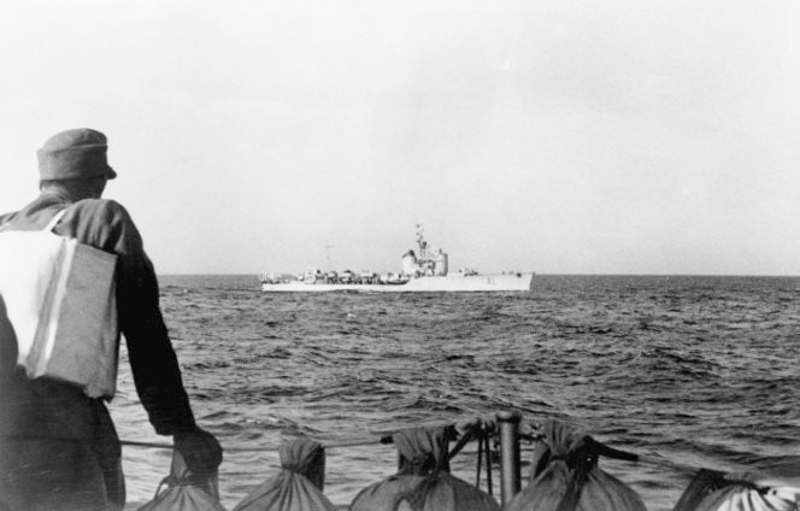
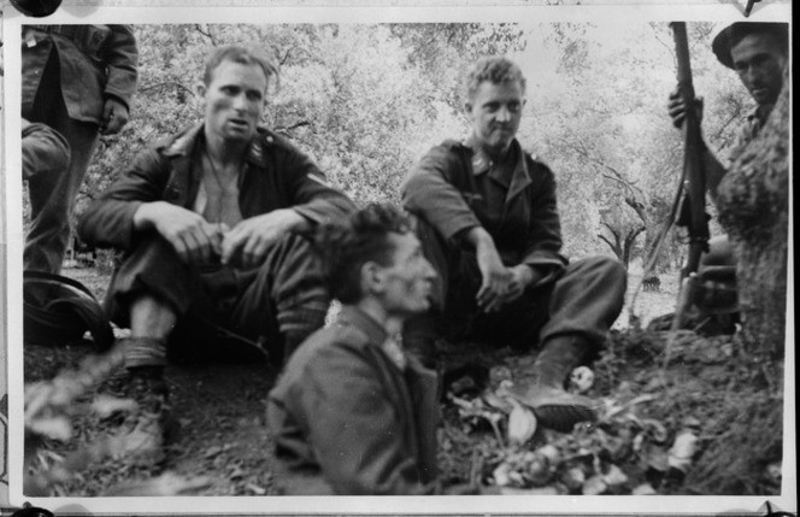
Frank went into captivity as a POW, being handed to the Italians, who interned the men in the infamous POW camp at Benghazi before transporting them to Italy by ship, then into POW camps there. After the Italian surrender, Frank was taken into German captivity and transported by cattle wagon to a POW camp in Germany. He was liberated at the end of the war, returning to NZ.Frank retired in New Plymouth.
(With thanks to Frank’s family for assistance with this story)